Carton condition
Check squareness, scores, panel support, surface, moisture and the tape landing zone.
Carton sealing machines
Case sealers for applying pressure-sensitive tape to corrugated cartons in production, contract packing, warehouse and fulfilment environments.
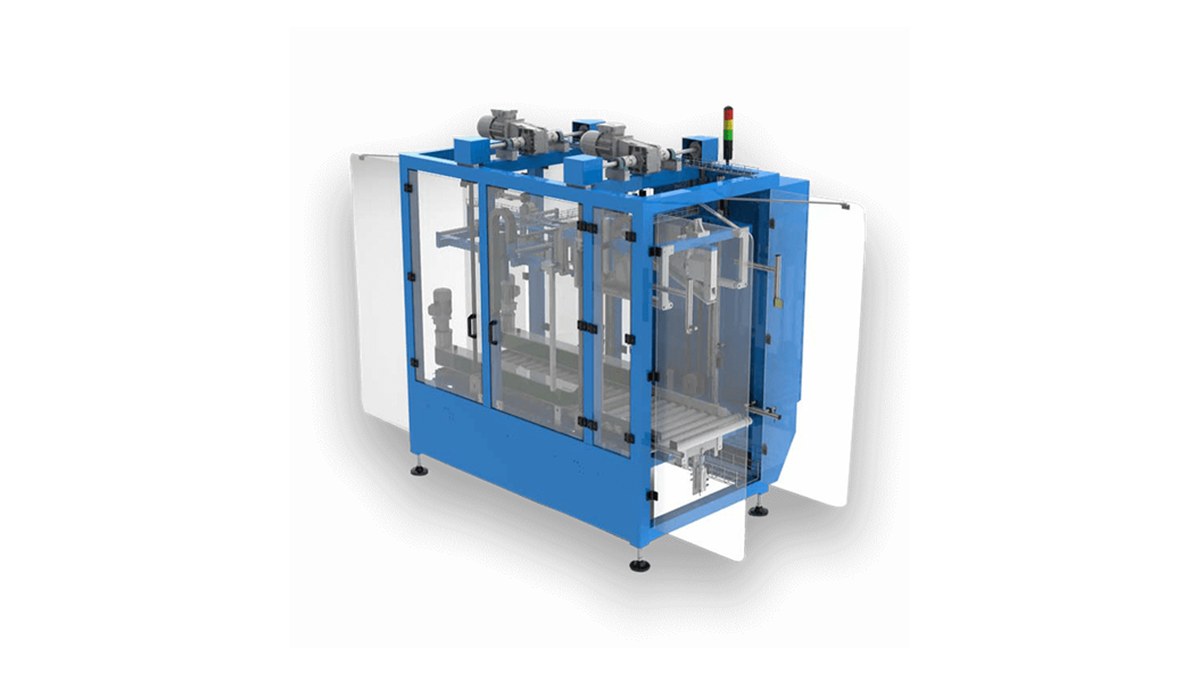
A carton sealing machine should be selected around box size, board quality, case weight, tape width, tape type and whether operators or upstream equipment close the flaps.
Consistent sealing depends on tape-head condition, wipe-down pressure, carton squareness and tape compatibility with the board surface and environment.
Carton sealers can be used as stand-alone machines or connected to conveyors, case packing stations, labelling, checkweighing and palletising areas.
For the fastest recommendation, include carton dimensions, case weight, tape width, target output, photos of packed cases, whether cartons are uniform or mixed, and a basic line-layout sketch.
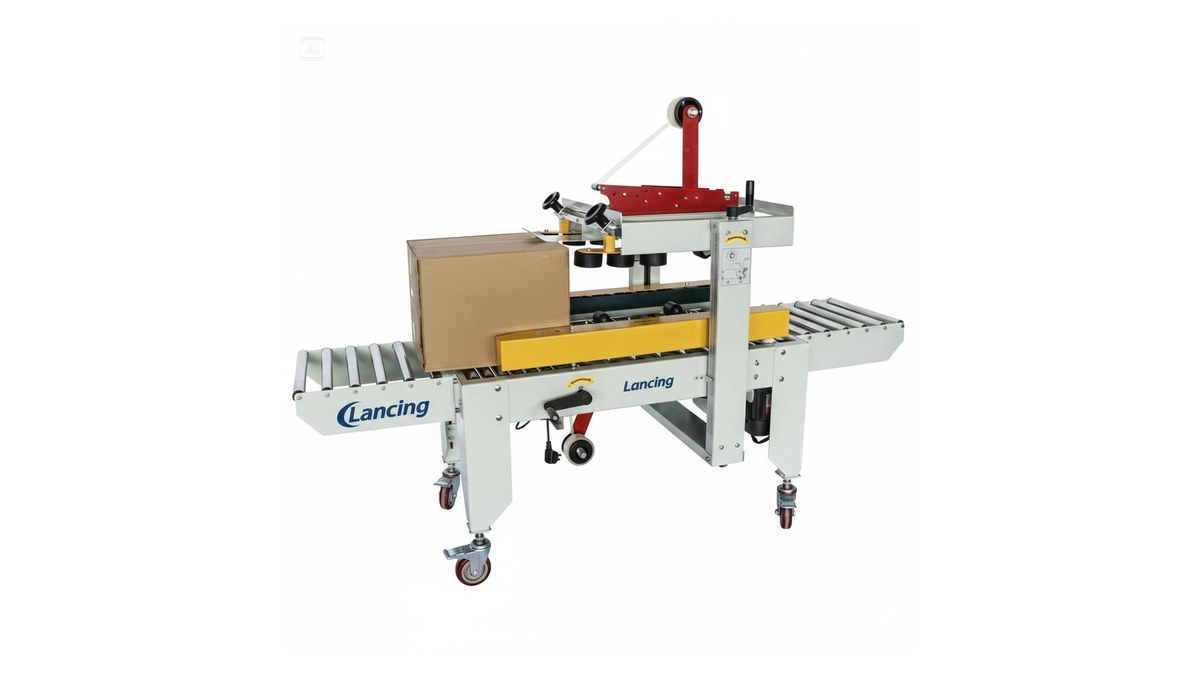
Automatic case taping for repeated carton sizes on production runs.
View this machine →
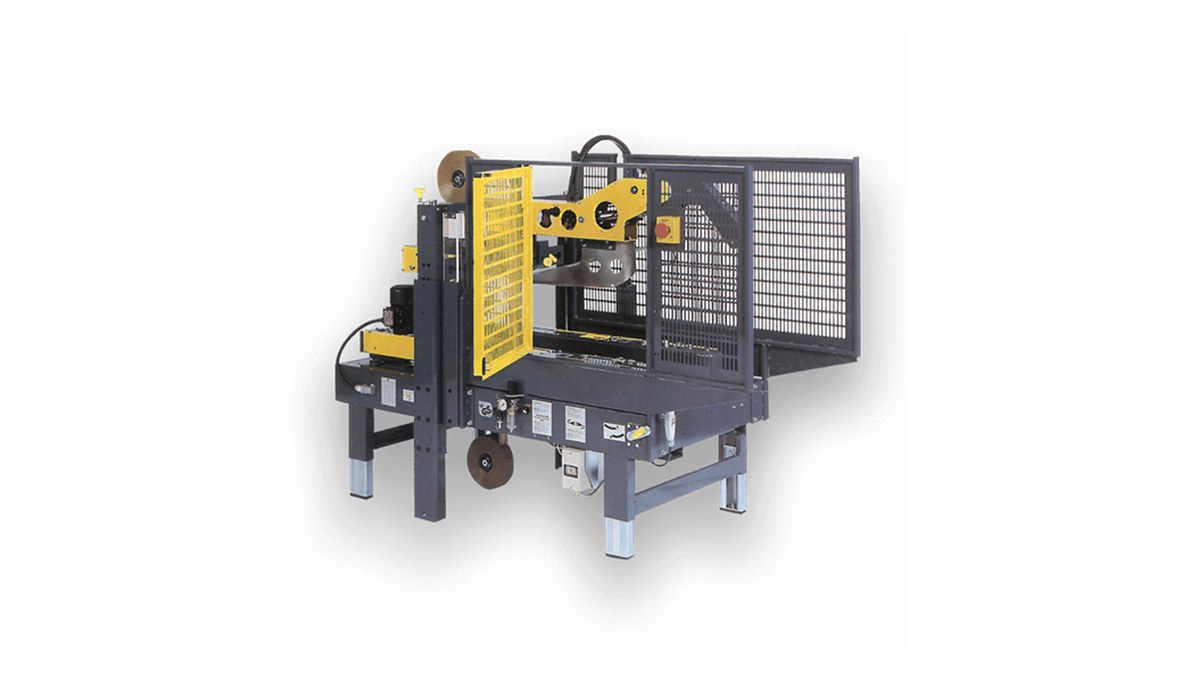
Self-adjusting case sealing where mixed carton sizes move through the same line.
View this machine →
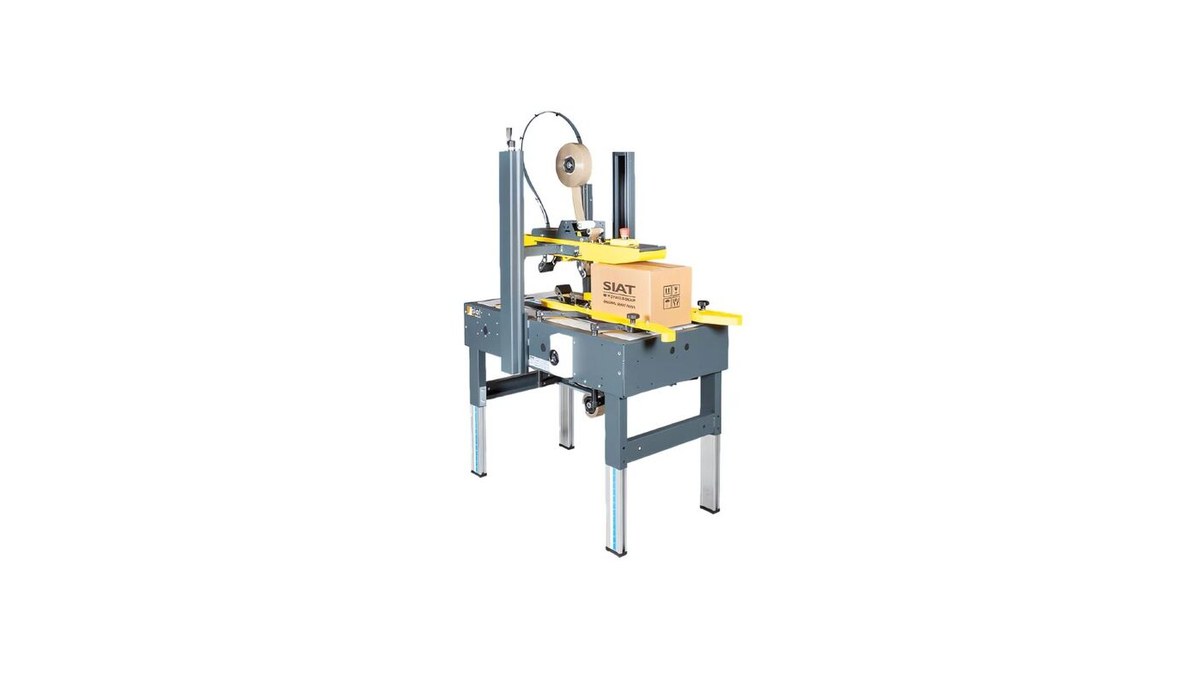
Operator-fed carton tapers for packing benches, batch work and controlled manual packing.
View this machine →
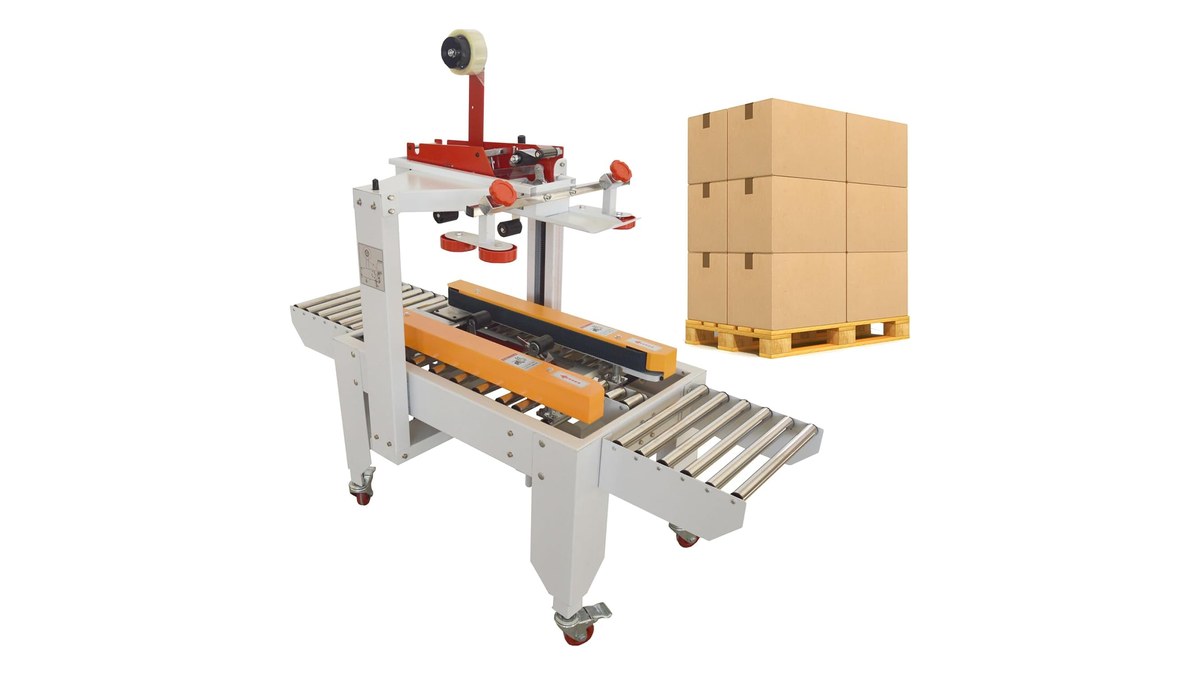
Box tapers for ecommerce, fulfilment, distribution and manufacturing dispatch areas.
View this machine →
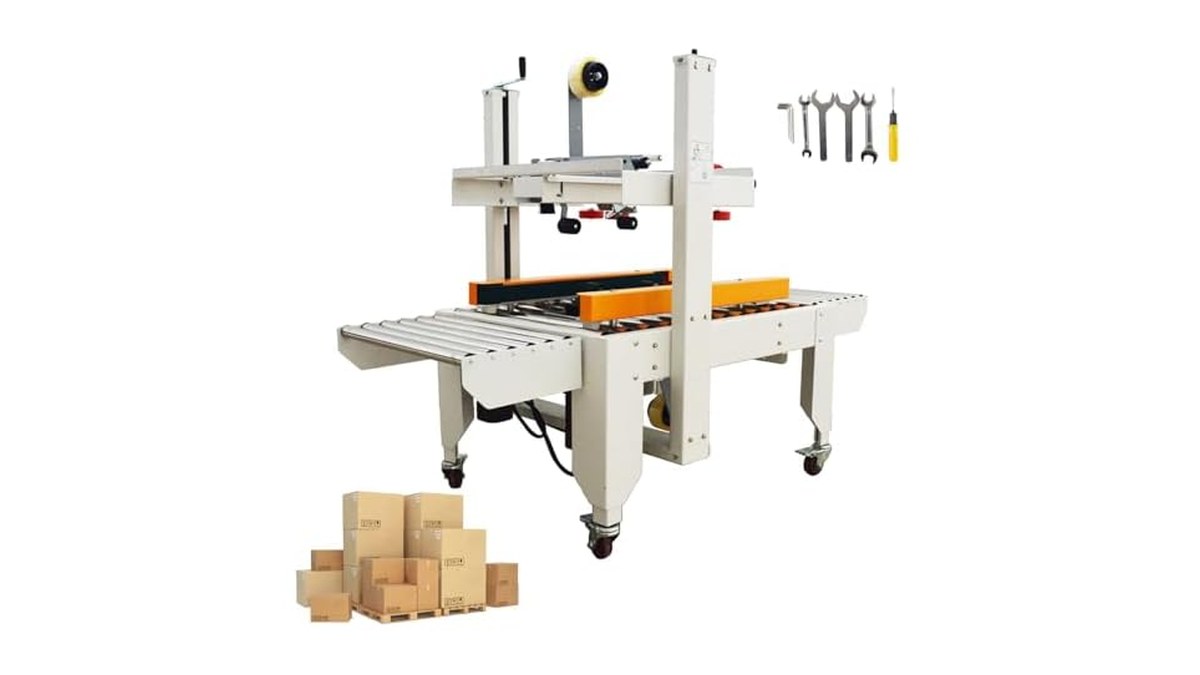
Help with specification, installation, tape heads, spares, change parts and maintenance.
View this machine →
We check your carton dimensions, case weight, output, size variation, tape format and how each carton reaches the machine before recommending an option.
Many case tapers seal both the top and bottom centre seams. The exact machine should be checked against carton size, flap condition and your production method.
Yes. Case tapers can often be planned with infeed and outfeed conveyors, packing benches and wider end-of-line equipment.
Carton sealing specification
A carton sealing machine can only produce a consistent result when the tape, carton surface, flap position and tape-head condition are compatible.
Provide the actual tape roll or its full reference, including width, backing and adhesive type. State how tape is stored and whether cartons are cold, dusty, coated, recycled or exposed to moisture. Adhesion should be checked on production board under representative conditions.
Confirm whether both seams are sealed at the same station and whether the bottom is already closed by hand or a case erector. The carton should remain square so the tape tracks centrally over the seam. Overfilled cases or flaps that do not meet correctly can prevent a repeatable seal.
The tape head presents the tape, applies it to the leading panel, wipes it across the seam, finishes it on the trailing panel and cuts it. Blade condition, roller movement, spring tension, tape loading and adhesive build-up affect the result. Use the machine manual and tape-head support for model-specific work.
Agree what will be inspected: tape centring, clean cut, full contact to both flaps, consistent leading and trailing application, no lifted edges and no carton damage. Photograph approved samples for reference during operator checks and future service calls.
Drive belts and guides should move the case without skewing or excessive pressure. Lightweight, narrow, tall or heavy cartons may need different support. Trial the least stable case as well as the common format.
Use a semi-automatic machine for operator-fed work, an automatic uniform sealer for repeated inline formats or a random machine for mixed sizes. Confirm conveyor level, transfers and downstream labelling or palletising before installation.
Keep adhesive and cardboard dust away from the tape path, inspect the blade and wipe-down rollers and monitor belts and guides. Maintenance frequency should reflect actual use and the selected machine manual.
No. Adhesive performance depends on tape construction, board surface, dust, temperature and storage. Test the intended tape on production cartons.
Possible causes include skewed case entry, guide setup, tape-head alignment, unstable cartons or worn components. Record the symptom before adjusting several items.
That depends on how the case is erected and presented. Confirm whether the bottom is already secure or requires a lower tape head at the sealing station.
Use the selected tape head and machine specification together with the carton seam and board. Send the actual tape requirement rather than assuming a universal width.
Adhesive build-up, incorrect loading, a damaged blade or worn tape-head parts are common possibilities. Follow the machine manual and isolate the equipment before service work.
Often yes, provided height, direction, transfer, controls, case spacing and available straight length are confirmed.
Seal-quality reference
A retained reference sample turns “good tape” into observable checks. It also helps distinguish material, setup and wear-related changes when seal quality later deteriorates.
| Seal feature | Record on the approved sample | What a change may indicate |
|---|---|---|
| Centre-seam tracking | Position of the tape across the top and bottom flap join. | Case entry, guide setup, case squareness or tape-head alignment. |
| Leading and trailing application | Full contact, consistent end position and no lifted corners. | Wipe-down movement, tension, carton presentation or surface condition. |
| Cut quality | Clean separation without a long tail, tearing or adhesive stringing. | Loading route, build-up, blade condition or another tape-head service issue. |
| Board response | No crushing, tearing, flap displacement or opening after normal handling. | Guide pressure, overfill, weak board, poor flap meeting or unsuitable material conditions. |
| Marking clearance | Tape does not obscure required labels, print, barcodes or handling marks. | Carton artwork position, seam choice or label placement needs review. |
Label each carton and tape roll with the supplier reference, batch where available, storage condition and date used. Include normal production board rather than a presentation-only sample. If several board grades or tapes are used, do not assume an approval on one combination applies to all of them.
Note dust, moisture, cold surfaces, coating, recycled fibre content, flap damage and whether the filled case is square. Adhesion and wipe-down can change with conditions even when the machine settings are unchanged. The carton sealing tape guide explains the evidence to provide without prescribing an unsupported universal tape.
Off-centre tape, an incomplete cut and a lifted edge may occur together but should be recorded as separate observations. Use the problem-solving hub to identify the first checks, and refer service work to case taper tape-head support where cleaning and normal operator checks do not resolve the issue.
Photograph each side, mark the machine, carton and tape used, and store the samples where they will not be crushed or contaminated. A dated comparison is particularly useful after a tape delivery, carton-board change, maintenance visit or unexplained increase in rework.
Final technical resource layer
Seal quality changes when board surface, flap tension, tape construction, application condition and post-seal handling change, even if the machine setting is unchanged.
Check squareness, scores, panel support, surface, moisture and the tape landing zone.
Use the actual tape roll and record temperature, conditioning, dust, condensation and time before handling.
Photograph and classify off-centre tape, lifting, wrinkles, cut-off and carton damage before adjustment.
A representative trial should include the smallest, largest and most common filled cartons, normal board variation and the current tape. Record approved seals and the conditions that produced them.
Buyer questions
A useful seal standard describes the finished carton, not only whether tape is present.
The tape should follow the agreed centre-seam path, contact the board without avoidable wrinkles or loose areas, extend onto the end panels in the approved tail position and be cut cleanly. The carton should remain undamaged and the lower seal should be inspected as deliberately as the top seal. Approve physical samples for each key format.
Delayed lifting can be influenced by board dust or coating, low surface contact, insufficient wipe-down, tape or adhesive selection, storage and application conditions, carton spring-back, contamination or stress at the flap gap. Record when and where lifting begins and compare conditioned cartons and an approved tape roll before changing machine settings.
Use the selected tape head, tape and representative cartons to approve a physical sample showing leading and trailing application, centring, cut quality and permitted variation. Tail requirements are application- and machine-specific; they should be documented in the trial or acceptance criteria rather than copied from an unrelated carton-sealing process.
Off-centre tape that follows a skewed seam, inconsistent results only after a poor transfer, wrinkles associated with distorted flaps, and faults limited to overfilled or damaged cartons can indicate presentation or pack condition. Observe the carton before first tape contact and compare a known good sample before adjusting the tape head.
Browse the complete case taper buyer-question library · Discuss your cartons and packing process · Related answers: Why do carton tape tails vary? · How should tape and label clearance be planned?
Seal-quality control
Machine selection is stronger when tape tracking, wipe-down, cut-off, carton condition and delayed lifting are assessed against an agreed reference.
Sample at start-up, after a carton or tape change, after a stop or adjustment and at a routine interval set for the application.
Record carton, tape, machine setting and operating event so material, presentation and machine-condition causes can be separated.
Material and carton definition
A quotation should identify the carton construction and sealing medium as clearly as the carton dimensions. A FEFCO 0201 regular slotted carton creates a conventional centre seam, but overlap, die-cut or tuck-style cartons may require a different assessment. Similarly, “paper tape” can mean pressure-sensitive paper tape or water-activated gummed tape, which uses a different application process.
Printed or security tape adds another acceptance question: the tape may run through a head yet still fail the required graphic or opening-evidence standard. Use the printed and tamper-evident tape guide before assuming compatibility. Where adhesion is uncertain, isolate the board, tape, environment and application variables with a controlled carton-sealing tape trial.