Case sealing machinery specialists — UK supply, installation and support01494 623015 · sales@lancinguk.com

Machines

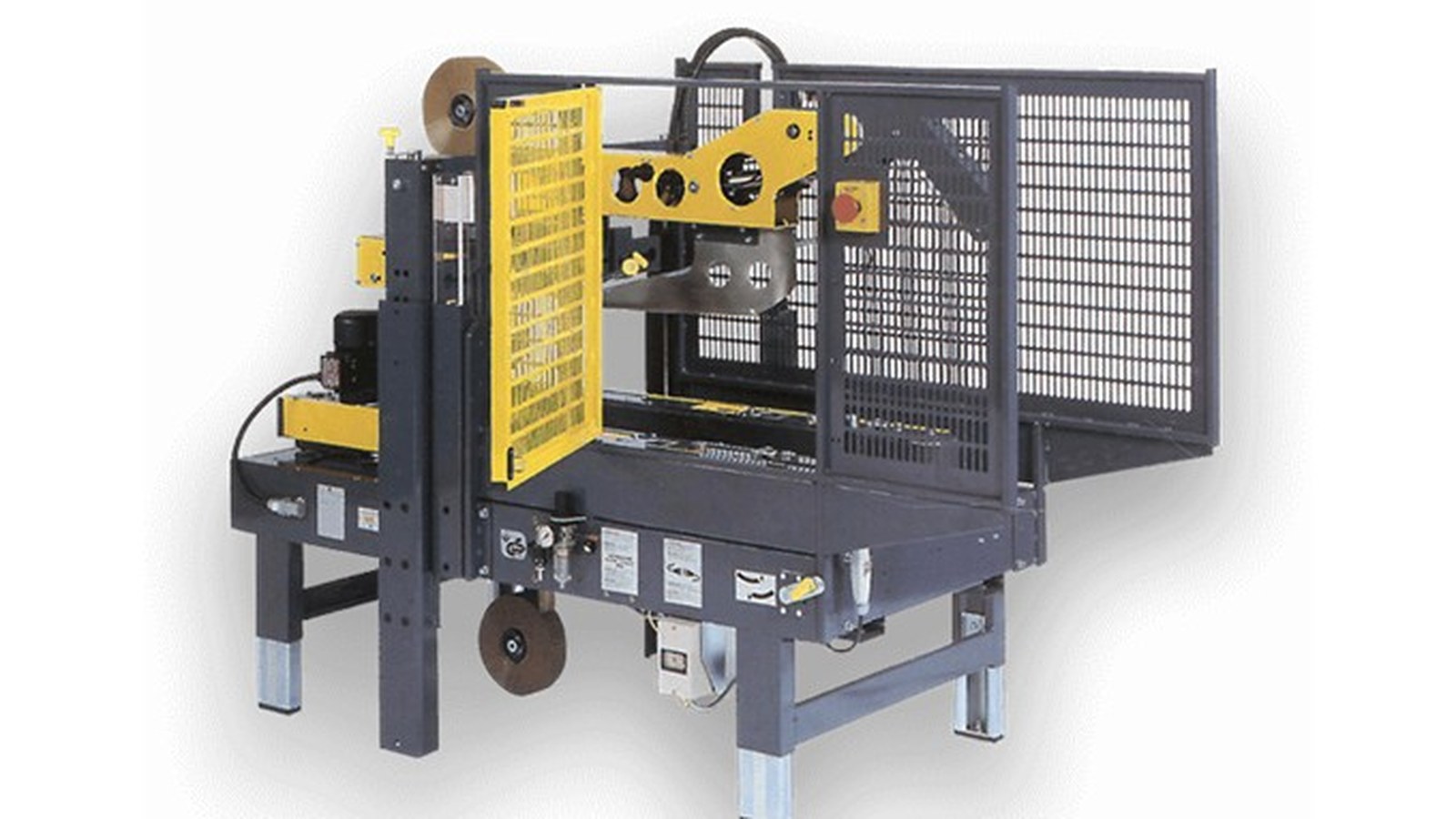
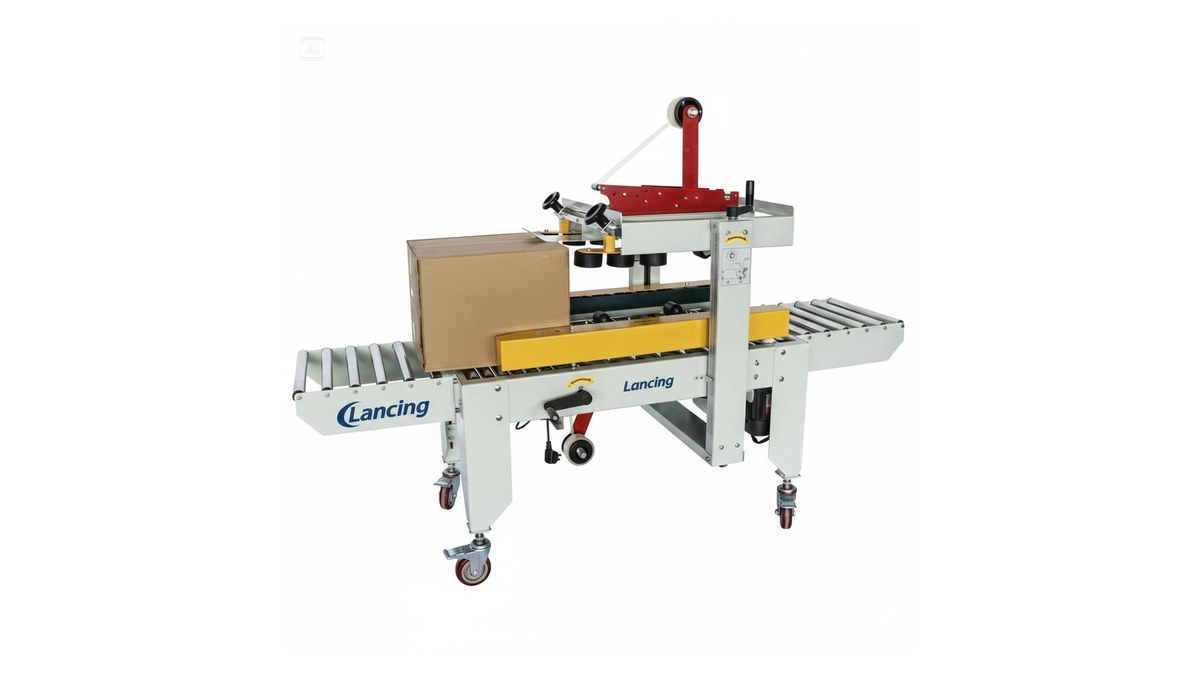
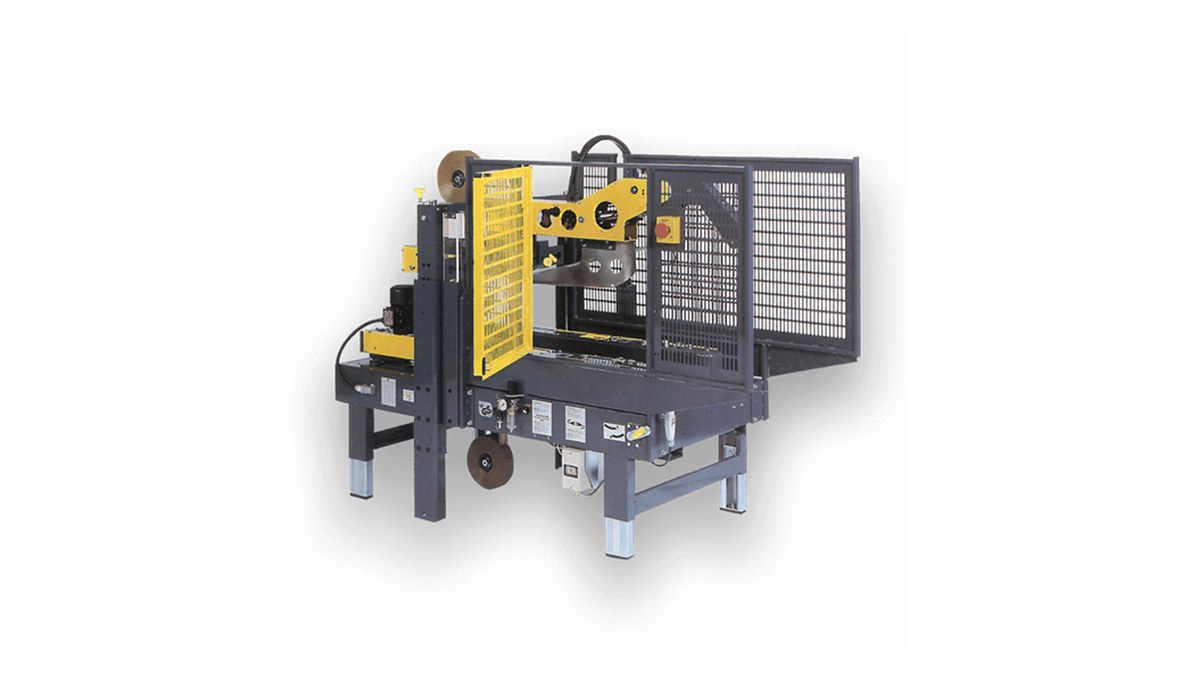
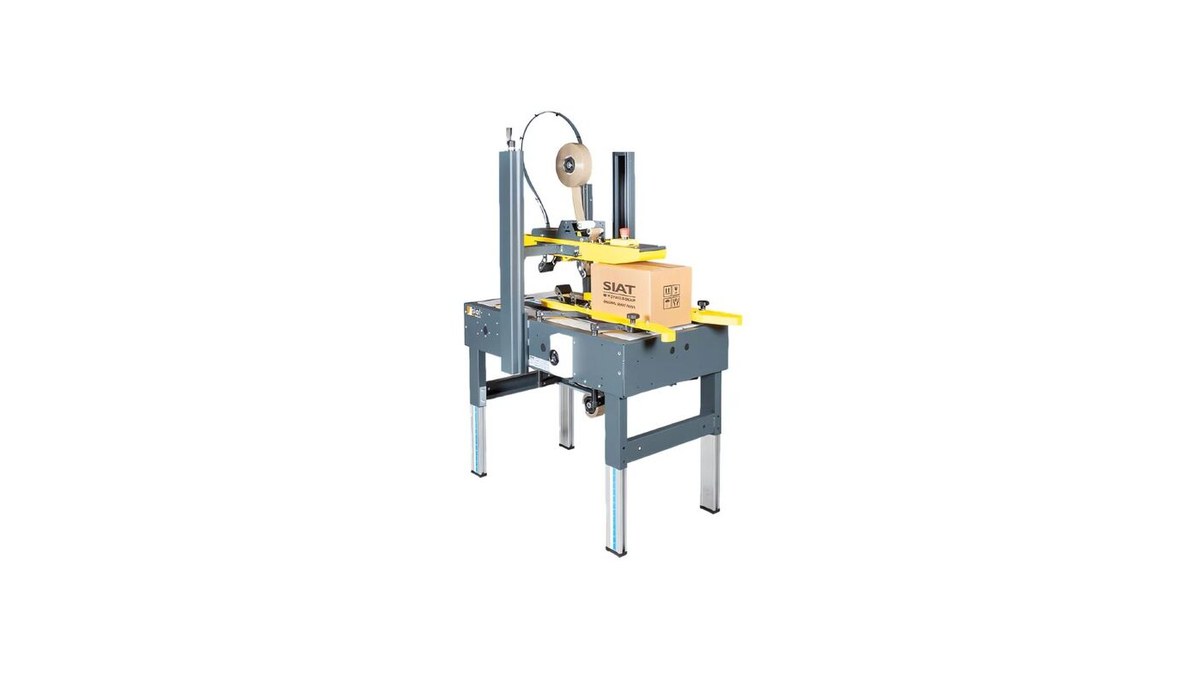
Case taper machine range

Compare semi-automatic case tapers, automatic carton sealers, random case tapers and box taping machines for UK packing lines.

Case taper machine range

Case taper comparison table

Machine optionBest suited toKey questions
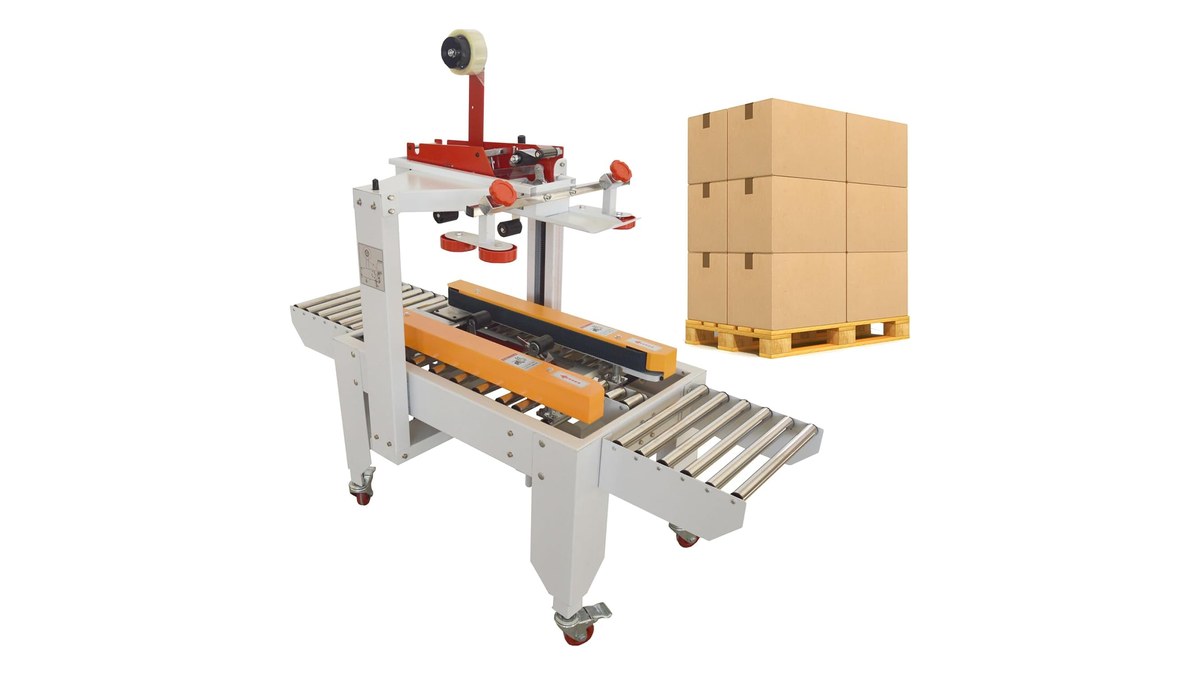
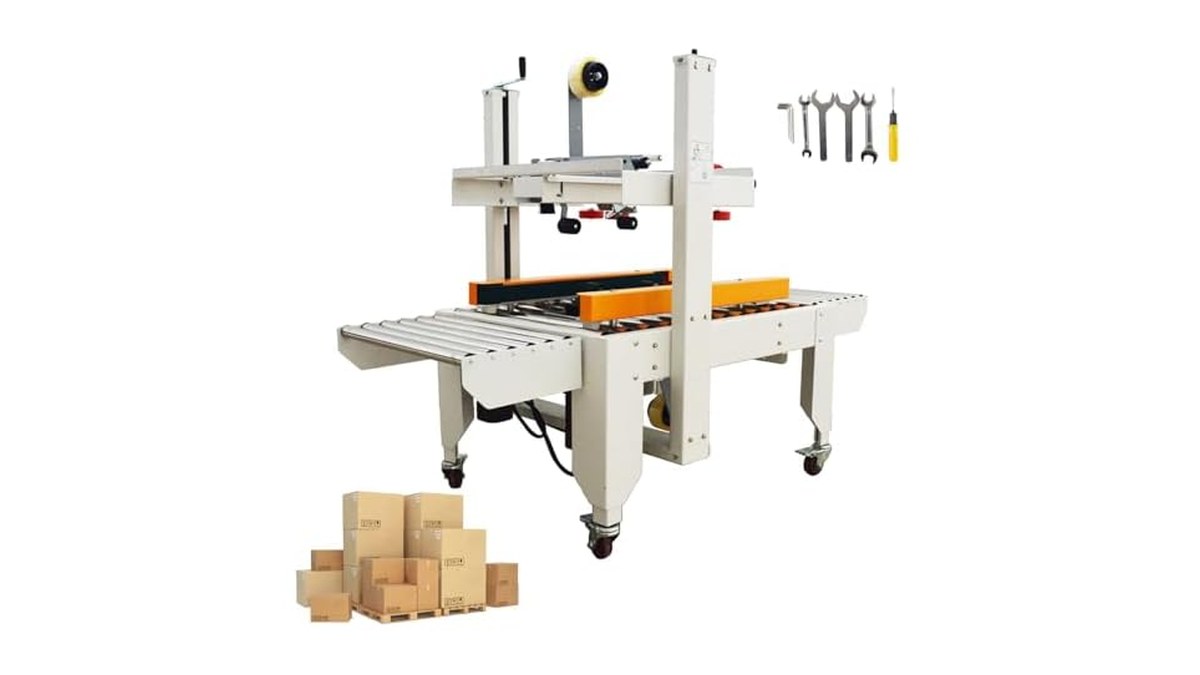
Semi-automatic case taperOperator-fed packing benches, start-up lines, lower-volume dispatch and batch production.How many operators feed cases? Are flaps folded manually? What is the target cases per minute?
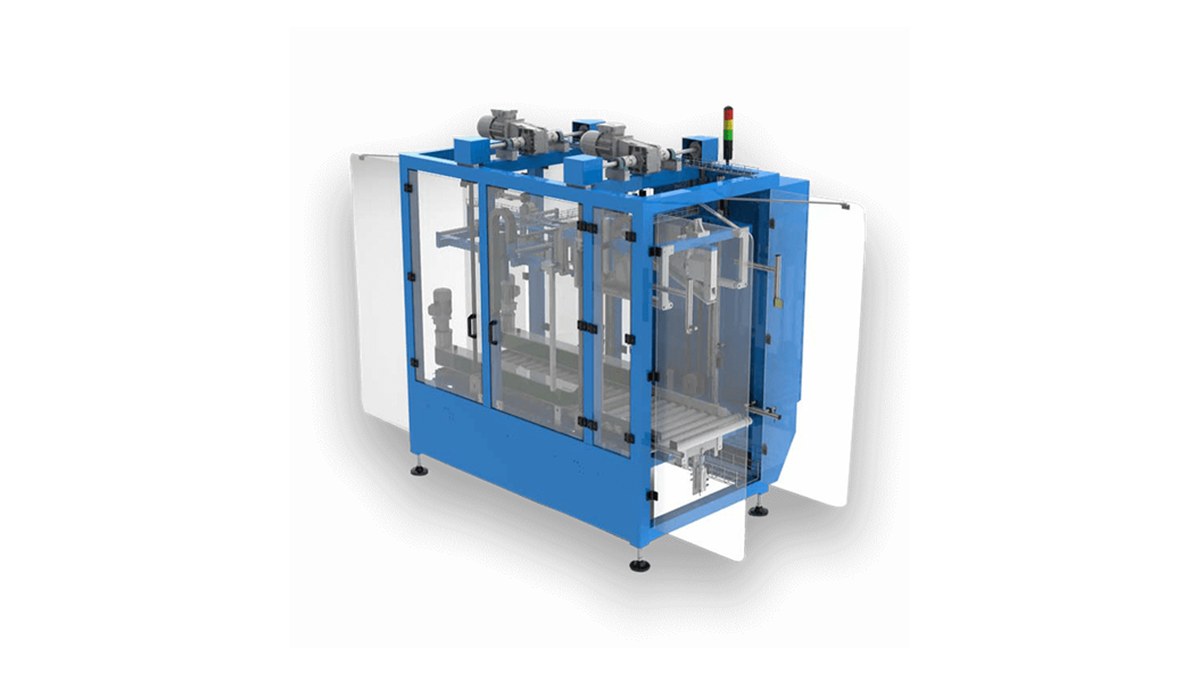
Automatic uniform case taperRepeated carton sizes, steady production runs and lines where the same case format is run for a period.How often does carton size change? Is automatic flap closing required? What conveyor height is needed?
Random case taperMixed-size cartons in ecommerce, fulfilment, contract packing and distribution operations.What is the carton size range? Are cartons presented with top flaps ready for closing? Are sizes truly random?
Box taping machineDispatch, warehouse and production areas that need neater and faster tape application than manual taping.What tape width is used? What box weight range is expected? Is top and bottom sealing required?

Machine selection should start with the cartons

Many buyers search for a case taper by speed first, but speed is only useful once the carton range and packing method are known. A stable same-size case often needs a different setup from a mixed ecommerce carton stream. Heavy boxes, tall boxes, light cartons and low-quality board may also need different belts, guides or handling.

For a stronger quote, prepare the minimum and maximum case size, expected case weight, tape width, target output and a photo or layout sketch of the packing area.

Case taper specification

Choose the machine architecture from the way cartons arrive and leave.

The correct machine type depends on case presentation, size variation, flap handling, operator involvement and the surrounding line—not only the number of cartons produced.

DecisionWhat to confirmWhy it changes the specification
Uniform or random cartonsHow many sizes run, the order in which they arrive and how often sizes change.Uniform machines are adjusted for a batch; random machines need to recognise and adjust around mixed cases.
Operator-fed or inlineWho folds the flaps, how the case is introduced and whether the upstream process controls spacing.The feeding and flap-closing method determines whether a semi-automatic or automatic arrangement is appropriate.
Top only or top and bottomWhether the case bottom is already sealed, erected automatically or needs sealing at the same station.Tape-head arrangement and carton support must match the required seams.
Carton stabilityPacked weight, board strength, fill level, aspect ratio and any tendency to bow or skew.Drive belts, guides and transfers must move the case without slipping, crushing or losing alignment.
Line integrationConveyor height, direction, controls, accumulation and downstream equipment.The sealer has to transfer cartons cleanly and stop or release them in step with the wider line.

Uniform case tapers

Uniform case tapers suit repeated carton sizes that can be grouped into production runs. Adjustment may be manual or powered depending on the selected machine, but the important point is that the carton format remains consistent during each run. Review the automatic case taper page for inline production and the semi-automatic case taper page for operator-fed packing.

Random case tapers

Random machines are considered when mixed carton sizes arrive without a batch change. The cases still need to be within the selected machine’s operating range and presented in a stable condition. Size variation, spacing and flap position should be tested with a realistic sequence rather than one case at a time. See the random case taper guide.

Flap-closing and utilities

Some lines present a carton with the top flaps already folded; others require the sealer to close them. Automatic flap-closing changes the infeed length, controls and potentially the compressed-air requirement. Confirm available electrical and air services only after the mechanical sequence is agreed.

Tape-head selection

The tape head must suit the tape width, roll, adhesive and carton surface. Clean cutting and full wipe-down matter as much as the nominal tape width. If the current machine is otherwise suitable but seals are poor, review tape-head support before assuming a replacement sealer is required.

Machine shortlist

Build the shortlist from a carton-flow test, then compare machines on the same evidence.

A useful comparison starts with the way cartons arrive, change size and leave the sealing station. That prevents a low headline price or an unsupported speed figure from deciding the project before the real handling requirement is understood.

Selection stageEvidence to recordBest page to use next
Carton patternOne repeated size, planned batches or an unpredictable mixed sequence.Compare automatic case tapers, operator-fed case tapers and random adjustment.
Case conditionFilled weight, board condition, squareness, flap position and the centre seam presented to the tape head.Use the carton sealing machine guidance to define the seal trial.
Operator workWho erects, fills, folds, presents and removes each carton, including labels or paperwork added nearby.Review box taping for dispatch and the semi-automatic route.
Line behaviourCarton spacing, accumulation, stop conditions, conveyor level and downstream release.Open the case taper integration guide.
AcceptanceRepresentative samples, actual tape, a realistic case sequence and agreed seal-quality checks.Complete the case taper enquiry checklist.

Use a carton transition matrix

List the smallest, largest, most common and least stable cartons, then show how the line moves between them. For planned batches, record the number of changes and the settings that must be repeated. For mixed flow, record the actual order of sizes and the gaps between cartons. This makes the difference between a uniform and random case taper measurable instead of theoretical.

Treat the drive arrangement as a handling decision

Side, top or bottom belts do more than move the case. Their contact points influence how a light, tall, narrow, heavy or poorly supported carton travels through the tape heads. The correct arrangement is therefore confirmed with filled cartons and the intended transfers. The side-belt and bottom-belt comparison explains the questions to resolve without assuming one layout is universally better.

Separate machine movement from completed-box output

Time the complete work cycle: carton arrival, flap preparation, presentation, sealing, removal, label or scan activity, tape changes and normal interruptions. A machine may pass cartons quickly while the overall cell remains constrained by packing or outfeed. Use a sustained representative run rather than multiplying a belt speed into an hourly claim.